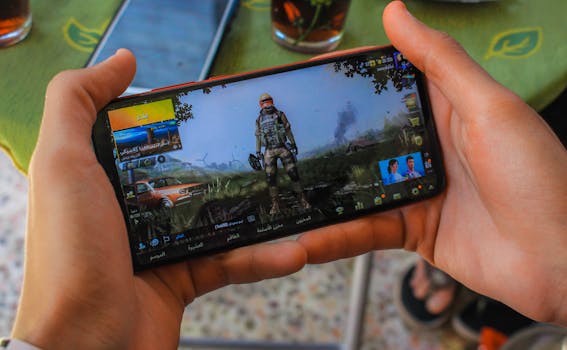
The mobile gaming industry has exploded over the past decade, with the global mobile games market projected to reach $286.5 billion by 2032, according to Precedence Research. As the competition gets fiercer, creating a successful mobile game is more challenging—and riskier—than ever. Many promising projects fall short not because of lack of creativity, but due to common yet avoidable mistakes during development. Understanding these pitfalls and knowing how to sidestep them can mean the difference between a hit and a flop.
In this article, we’ll dive deep into the most frequent missteps in mobile game development, from design and technical errors to monetization miscalculations. We’ll also provide actionable strategies for avoiding these costly blunders, drawing on real-world examples, statistics, and a comparative overview of the impact of various mistakes. Whether you’re a budding indie developer or part of an established studio, this guide will help you steer your game toward success.
Underestimating User Experience and Onboarding
One of the most overlooked aspects of mobile game development is the initial user experience, especially the onboarding process. According to GameAnalytics, over 75% of players abandon a mobile game within the first day, and poor onboarding is a major culprit.
.png) Common Mistakes:
- Overly complex tutorials or lack of guidance, leading to player frustration.
- Front-loading too much information, overwhelming new users.
- Failing to provide immediate gratification—players want to experience fun quickly.
Common Mistakes:
- Overly complex tutorials or lack of guidance, leading to player frustration.
- Front-loading too much information, overwhelming new users.
- Failing to provide immediate gratification—players want to experience fun quickly.
Case in point: When “Clash Royale” launched, it offered a streamlined tutorial that introduced mechanics gradually, helping players feel competent and eager to continue.
How to Avoid: - Design onboarding that’s interactive and concise, teaching through play rather than long explanations. - Show, don’t tell: Use tooltips, animations, and visual cues. - Give players a taste of success early—whether through a level-up, reward, or simple win.A/B testing different onboarding flows can lead to a 20-30% improvement in Day 1 retention, according to Adjust’s 2023 Mobile Gaming Report. Investing in seamless onboarding is one of the highest-ROI decisions you can make.
Neglecting Device Fragmentation and Performance Optimization
The mobile device landscape is highly fragmented. As of 2024, there are over 24,000 distinct Android devices and dozens of iOS models in active use worldwide. Developing a game that runs smoothly on most of them is a daunting task—yet many developers underestimate the importance of thorough optimization.
Common Mistakes: - Designing for a single high-end device, ignoring mid-range and budget phones. - Overlooking memory and battery constraints. - Not testing across different screen sizes and aspect ratios, leading to UI glitches.A 2022 survey by GameDev.net revealed that 42% of mobile gamers uninstall games due to lag, crashes, or overheating.
How to Avoid: - Profile your game’s performance using tools like Unity Profiler or Android Studio’s built-in monitors. - Establish a minimum device specification and test on low-end hardware. - Use adaptive graphics settings that automatically adjust based on device capabilities. - Optimize asset sizes, minimize draw calls, and use efficient algorithms to reduce battery drain.Responsive design and performance tuning can increase your game’s reach and reduce negative reviews—critical for long-term success.
Ineffective Monetization Strategies
Generating revenue is the lifeblood of any mobile game, yet monetization remains one of the trickiest areas to master. The most common mistakes stem from either being too aggressive or too passive in monetization, leading to player churn or missed revenue opportunities.
Mistakes to Watch For: - Intrusive ads that disrupt gameplay, causing frustration. - Poorly balanced in-app purchases (IAPs) that make the game pay-to-win or provide little value. - Ignoring alternative revenue streams like subscriptions or rewarded ads.For example, “Flappy Bird” famously earned $50,000 a day from non-intrusive banner ads, while many clones failed because they bombarded players with full-screen ads.
How to Avoid: - Integrate ads and IAPs in a way that complements, rather than interrupts, player experience. - Offer meaningful rewards for watching ads (e.g., extra lives, coins). - Use data analytics to track which monetization strategies retain players while generating revenue. - Experiment with hybrid models, such as a mix of microtransactions and subscriptions.According to Sensor Tower, hybrid monetization models led to a 30% higher lifetime value in top-grossing games in 2023.
Poor Project Management and Scope Creep
Ambitious ideas are the lifeblood of great games, but unchecked ambition can doom a project. Scope creep—when new features are continually added without proper planning—is a leading cause of missed deadlines, budget overruns, and ultimately, unfinished games.
Common Pitfalls: - Lack of clear milestones or timelines. - Expanding features list mid-development without adjusting resources. - Inadequate communication among team members.The International Game Developers Association (IGDA) reported that 37% of failed indie games cited scope creep as a primary reason.
How to Avoid: - Start with a Minimum Viable Product (MVP): Build the core fun loop first, then iterate. - Use agile methodologies, breaking development into short sprints with clear deliverables. - Maintain a prioritized feature list and resist adding non-essential features during development. - Hold regular team check-ins to identify bottlenecks early.Effective project management doesn’t stifle creativity—it channels it into a shippable, polished product.
Ignoring Player Feedback and Analytical Data
Mobile games are living products. Post-launch feedback and data are critical for ongoing improvement. Yet, many developers either ignore player reviews or fail to make data-driven decisions, missing out on chances to boost retention and revenue.
Mistakes Include: - Not monitoring app store reviews or social media feedback. - Failing to implement analytics to track user behavior. - Making assumptions about player preferences instead of validating with real data.A 2021 study by DeltaDNA found that games using player feedback loops increased retention rates by up to 35%.
How to Avoid: - Integrate analytics platforms like Firebase or GameAnalytics from day one. - Monitor key metrics: retention, churn, session length, ARPU (average revenue per user). - Regularly update your game based on feedback—players notice and appreciate responsiveness. - Create in-game surveys or feedback forms to gather actionable insights.Listening to your community not only improves your game, it builds loyalty and positive word-of-mouth.
Comparative Overview: Impact of Common Mobile Game Development Mistakes
To understand just how much these mistakes can cost developers, here’s a comparative table summarizing the potential impact on retention, revenue, and user ratings.
| Mistake | Potential Drop in Retention | Revenue Loss | Impact on User Ratings |
|---|---|---|---|
| Poor Onboarding | Up to 75% Day 1 churn | High (fewer users stay to monetize) | 1-2 star average drop |
| Performance Issues | 42% uninstall after glitches | Moderate to High | Negative reviews, lower store ranking |
| Poor Monetization | 10-20% decrease in long-term retention | Significant revenue left on table | Mixed, potential for backlash |
| Scope Creep | Project delays, sometimes cancellation | Wasted resources | Game may never reach market |
| Ignoring Feedback | Up to 35% lower retention | Lower ARPU and LTV | Loss of community trust |
As the table shows, even a single major mistake can have cascading effects on your game’s performance and profitability.
Final Thoughts on Avoiding Mobile Game Development Mistakes
Building a successful mobile game is a complex challenge that requires more than just a great idea. Developers must blend creativity with careful planning, technical expertise, and a deep understanding of their audience. By learning from the most common mistakes—poor onboarding, ignoring device diversity, ineffective monetization, mismanaged scope, and neglecting player feedback—you can dramatically increase the odds of launching a hit game.
Stay focused on the player experience, test relentlessly, use data to guide decisions, and always keep scope in check. In the fast-evolving world of mobile gaming, adaptability and attention to detail are your greatest assets. With these strategies, your next title could become the success story others look to for inspiration.