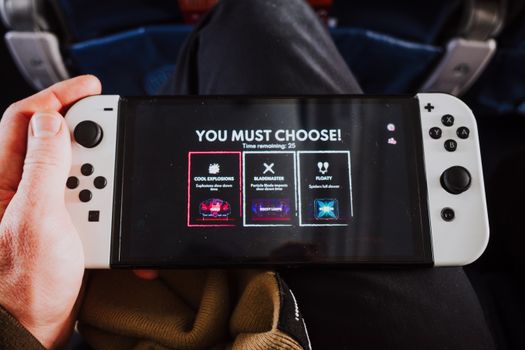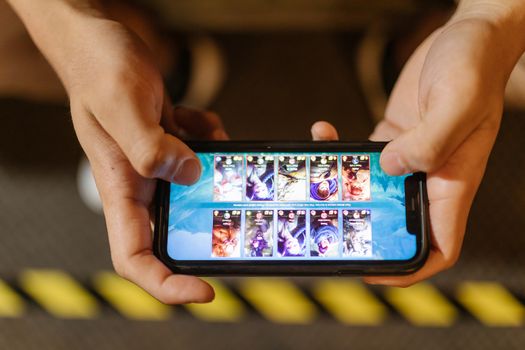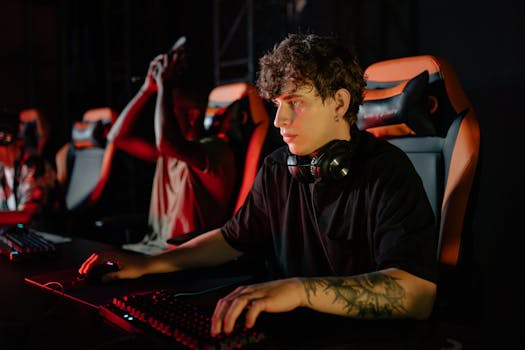
Online gaming has transformed from a solitary pastime into a vibrant, interconnected experience that thrives on community. Whether it's forming guilds in MMORPGs, joining voice chat with friends in a battle royale, or participating in massive tournaments, the social element of gaming has never been more vital. But what exactly is the role of community in online gaming, and why does it matter so much? In this article, we'll explore how communities shape player experiences, foster creativity, drive engagement, and even influence the development of games themselves.
How Online Gaming Communities Foster Connection and Belonging
One of the primary draws of online gaming is the sense of connection it offers. For many, gaming communities serve as digital gathering places, offering a sense of belonging that transcends geographic boundaries. According to a 2023 Pew Research Center study, 54% of teenagers and 41% of adults who play online games report having made real friends through gaming. These relationships often extend beyond the digital world, resulting in meetups, conventions, and lifelong friendships.
Online gaming communities enable players to find like-minded individuals who share their interests, skill levels, and play styles. Message boards, Discord servers, and in-game chat systems facilitate ongoing conversations, advice sharing, and support. For players who may feel isolated in their offline lives, these spaces can offer a vital emotional lifeline.
.png)
Moreover, community-driven events such as tournaments, charity streams, and fan art contests create opportunities for players to collaborate and celebrate their shared passions. In games like "Final Fantasy XIV," for example, player-organized concerts and roleplay events regularly attract hundreds of participants, demonstrating the power of community to foster creativity and joy.
The Impact of Community on Player Retention and Engagement
Game developers have long recognized that strong communities are essential for sustaining player interest over time. In fact, a 2022 report from Newzoo found that multiplayer games with active communities retain players 47% longer on average than those without significant community features. When players feel connected and supported, they're more likely to continue playing, invest in in-game purchases, and advocate for the game to others.
Communities also serve as hubs for sharing strategies, tips, and resources. This knowledge exchange helps new players overcome learning curves and allows experienced players to deepen their expertise. The collaborative atmosphere not only enhances the gameplay experience but also drives engagement by encouraging players to log in regularly, participate in forums, and join group activities.
The table below compares key engagement metrics between games with and without robust community features:
| Game Type | Average Player Retention (6 months) | Average Daily Playtime | In-Game Purchase Rate |
|---|---|---|---|
| With Active Community Features | 68% | 2.4 hours | 31% |
| Without Community Features | 46% | 1.3 hours | 18% |
As the data shows, games with active community components outperform their counterparts across key engagement metrics, highlighting the tangible benefits of fostering strong player networks.
Community-Led Content Creation and Innovation
Another significant role of community in online gaming is the promotion of user-generated content and collaborative innovation. Enthusiastic fans often create mods, custom maps, skins, and even entirely new game modes. This culture of creativity extends the lifespan of games and introduces fresh experiences that keep players invested.
For instance, "Minecraft" boasts over 500 million mod downloads as of 2024, with countless worlds, mini-games, and adventure maps made by fans. Similarly, Valve's "Counter-Strike" began as a player-created mod for "Half-Life" before evolving into one of the most popular shooters of all time. These examples illustrate how communities drive the evolution of games, often steering their direction in unexpected ways.
Developers have increasingly recognized the value of empowering their communities. Titles such as "Roblox" and "Fortnite" provide robust toolsets for players to craft their own experiences, effectively turning gamers into co-creators. According to a 2023 Roblox Corporation report, over 2.7 million creators earned revenue from their games and assets on the platform, highlighting the economic and creative impact of community-driven content.
Community as a Catalyst for Positive Change and Inclusion
Online gaming communities are not only places for fun and collaboration; they can also serve as catalysts for positive social change. Many communities have taken active steps to promote inclusivity, combat toxicity, and support charitable causes.
For example, the "AbleGamers" community advocates for accessibility in gaming, working with developers to design features that make games playable for people with disabilities. Thanks to such initiatives, major titles like "The Last of Us Part II" and "Forza Horizon 5" now include groundbreaking accessibility options.
Charity events organized within the gaming world have also made a significant impact. "Games Done Quick," a community-driven speedrunning marathon, has raised over $43 million for charities since its inception in 2010. These efforts demonstrate how gaming communities can harness their collective energy for good, fostering a sense of purpose and unity among players.
Additionally, communities play a vital role in moderating behavior and setting standards for conduct. Many games now feature player-driven moderation tools and reporting systems, empowering community members to help maintain a welcoming environment. According to Riot Games, community-led moderation has contributed to a 17% reduction in toxic behavior in "League of Legends" since 2021.
Challenges Facing Online Gaming Communities
Despite their many benefits, online gaming communities also face significant challenges. Issues such as toxicity, harassment, and exclusion remain persistent concerns. A 2022 Anti-Defamation League report found that 60% of adult gamers in the United States experienced some form of harassment while playing online games.
Efforts to address these challenges are ongoing. Game developers continually refine moderation tools, implement strict codes of conduct, and encourage positive interactions through reward systems. Community leaders and influencers play a critical role in setting the tone and modeling inclusive behavior.
Language barriers and cultural differences can also pose obstacles in global gaming communities. However, automatic translation tools and multi-language support are helping to bridge these gaps, making it easier for diverse groups to communicate and collaborate.
It's also important to note that not all players seek the same level of community involvement. Some prefer solo play or limited interaction, and successful games accommodate a range of social preferences.
The Evolving Future of Community in Online Gaming
Looking ahead, the role of community in online gaming is poised to become even more central. Advances in technology, such as AI-driven moderation, virtual reality social spaces, and enhanced communication tools, are reshaping how players connect and interact.
Game developers are increasingly designing features with community building in mind. From clan systems and guild halls to integrated live events and cross-platform play, the focus is on enabling meaningful connections. Esports continues to grow, with global viewership projected to reach 640 million by 2025, further solidifying the importance of community in competitive gaming.
The rise of user-generated content platforms, streaming services, and influencer-driven communities is blurring the lines between players, creators, and audiences. This convergence is fostering a rich ecosystem where communities not only support games but also shape their future.
Ultimately, the enduring appeal of online gaming lies not just in the gameplay itself, but in the communities that bring these virtual worlds to life. Whether you're a casual player or a dedicated esports competitor, the role of community is more important than ever in crafting memorable, meaningful gaming experiences.