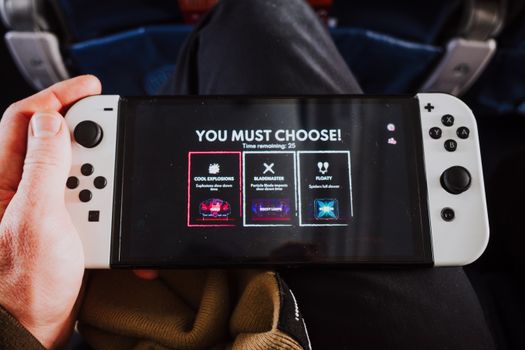
The world of online gaming has transformed dramatically over the past three decades, evolving from simple browser-based titles to highly immersive, globally connected entertainment platforms. Today, online gaming is not just a pastime—it’s a booming industry, a cultural phenomenon, and a space for social connection and innovation. Whether you’re a seasoned player or a curious newcomer, understanding the scope and dynamics of online gaming can be both fascinating and essential. In this article, we dive into the expansive world of online gaming, exploring its history, genres, economic impact, global reach, and the technology driving its future.
The Evolution of Online Gaming: From Pixels to Persistent Worlds
Online gaming’s roots can be traced back to the late 1970s and early 1980s, when the first networked games appeared on university mainframes. However, it wasn’t until the 1990s, with the rise of the internet and affordable home PCs, that online gaming began to flourish. Early multiplayer games like "Netrek" and "MUDs" (Multi-User Dungeons) set the stage for future developments.
The late 1990s and early 2000s saw the emergence of iconic online titles such as "Quake" (1996), which introduced real-time multiplayer shooting, and "Ultima Online" (1997), one of the first MMORPGs (Massively Multiplayer Online Role-Playing Games). These games laid the groundwork for today’s persistent online worlds, where millions of players interact, compete, and collaborate in real time.
.png)
Fast forward to 2024, and online gaming boasts over 3 billion players globally, according to Newzoo’s Global Games Market Report. The diversity of experiences—from casual mobile games to sprawling online battle arenas—has made online gaming more accessible and engaging than ever before.
Popular Online Gaming Genres and Their Unique Experiences
Online gaming is not defined by a single style or gameplay mechanic. Instead, it encompasses a broad array of genres, each offering distinct experiences. Here are some of the most popular types and what makes them stand out:
1. First-Person Shooters (FPS): Players compete in fast-paced combat, often in teams. Examples include "Call of Duty: Warzone" and "Counter-Strike: Global Offensive." These games emphasize reflexes, strategy, and teamwork. 2. Massively Multiplayer Online Role-Playing Games (MMORPGs): Titles like "World of Warcraft" and "Final Fantasy XIV" immerse players in vast, persistent worlds where they can quest, trade, and socialize. 3. Battle Royale: A relatively new genre, popularized by games like "Fortnite" and "PUBG," which drop players into a shrinking map until only one remains. 4. Real-Time Strategy (RTS): Players control armies and resources, making strategic decisions in games like "StarCraft II" or "Age of Empires Online." 5. Social and Casual Games: Accessible via browsers or mobile apps, games like "Among Us" or "Words With Friends" appeal to a broad audience and emphasize social interaction.The table below provides a comparative overview of some leading online genres and their key characteristics:
| Genre | Player Base (Millions) | Typical Session Length | Example Games |
|---|---|---|---|
| FPS | 600 | 20-40 minutes | Call of Duty, CS:GO |
| MMORPG | 200 | 1-3 hours | World of Warcraft, FFXIV |
| Battle Royale | 400 | 15-30 minutes | Fortnite, PUBG |
| RTS | 100 | 30-60 minutes | StarCraft II, AoE Online |
| Social/Casual | 900 | 5-15 minutes | Among Us, Words With Friends |
These genres illustrate the sheer diversity and adaptability of online gaming, catering to various play styles, time commitments, and social preferences.
The Economic Impact: A Multi-Billion Dollar Industry
The economic footprint of online gaming is staggering. In 2023, the global games market was valued at over $184 billion, with online games making up a significant portion. According to Statista, mobile and online games alone generated more than $120 billion in revenue last year.
The rise of free-to-play models—which monetize through in-game purchases, cosmetics, and battle passes—has played a pivotal role in industry growth. For instance, "Fortnite" generated over $9 billion in its first two years primarily through in-game transactions, not from selling copies of the game.
Esports, or professional competitive gaming, is another booming sector. In 2022, global esports revenues surpassed $1.38 billion, with audiences exceeding 532 million viewers worldwide. Popular tournaments, such as "The International" (Dota 2) and "League of Legends World Championship," offer prize pools exceeding $40 million, rivaling traditional sports events.
Moreover, online gaming drives job creation—not just for developers, but for streamers, commentators, marketers, and event organizers. Platforms like Twitch and YouTube Gaming have enabled thousands to earn a living broadcasting their gameplay.
Online Gaming as a Social Phenomenon
Beyond entertainment, online gaming has emerged as a major social platform. Unlike single-player experiences, online games foster communities, friendships, and even professional relationships across borders. In a 2021 Pew Research Center survey, 57% of teens and young adults said they had made at least one friend through online games.
Today’s games often include built-in voice and text chat, guilds, and social hubs. Some platforms, like "Roblox" and "Minecraft," even serve as virtual meeting spaces for concerts, classes, and social events. During the COVID-19 pandemic, games like "Animal Crossing: New Horizons" became vital tools for socializing while physically distant.
The social dimension of online gaming isn’t limited to positive interactions. Toxicity, harassment, and cheating remain ongoing challenges. As a result, leading publishers are investing in AI moderation, reporting systems, and player education to improve online safety and inclusivity.
The Technology Powering Online Gaming’s Future
The rapid advancement of technology continues to reshape online gaming. Several trends are particularly influential:
- Cloud Gaming: Services like NVIDIA GeForce Now, Xbox Cloud Gaming, and Google Stadia allow players to stream high-end games over the internet, reducing the need for expensive hardware. In 2023, cloud gaming revenue reached $2.4 billion, a 44% increase from the previous year. - Cross-Platform Play: Increasingly, games let players on different devices (PC, console, mobile) play together. This breaks down barriers and expands player communities. For example, "Rocket League" and "Fortnite" support cross-play across nearly all platforms. - Artificial Intelligence: AI-driven bots enhance single-player and co-op experiences, while AI moderation tools help ensure safer communities by identifying toxic behavior in real time. - Virtual Reality (VR) and Augmented Reality (AR): While still niche, VR and AR are set to revolutionize online gaming, offering new levels of immersion. The VR gaming market is projected to hit $7.7 billion by 2025, according to Grand View Research. - Blockchain and NFTs: Some developers are experimenting with blockchain for secure item ownership and player-driven economies. While controversial, the technology could redefine digital assets in gaming.These technological shifts promise to make online gaming even more accessible, innovative, and inclusive in the coming years.
Global Reach: Online Gaming Across Continents
Online gaming is truly a global phenomenon, transcending language and culture. The Asia-Pacific region leads in player numbers, with over 1.4 billion gamers—more than all other regions combined. China alone accounts for approximately 700 million gamers, many of whom engage in online multiplayer experiences.
North America and Europe have mature gaming markets, with high rates of broadband access and console ownership. Latin America, the Middle East, and Africa are rapidly growing, driven by increased smartphone adoption and mobile internet.
Cultural preferences also shape the online gaming landscape. For example:
- In South Korea, PC bangs (gaming cafes) remain hugely popular, especially for competitive games like "League of Legends" and "StarCraft." - In Japan, mobile online games dominate, with titles like "Puzzle & Dragons" and "Monster Strike" topping charts. - In the United States and Europe, shooter and sports games enjoy widespread popularity, with major esports leagues and events.Localization efforts—translating and culturally adapting games—play a crucial role in reaching diverse audiences. This global interplay of technology, culture, and community is a key driver of online gaming’s continued growth.
Looking Ahead: The Bright Future of Online Gaming
Online gaming’s journey from niche hobby to global powerhouse is a testament to the power of technology, creativity, and community. With innovations like cloud gaming, cross-platform play, and immersive VR experiences on the horizon, the possibilities seem limitless.
As online gaming continues to evolve, it will remain a space for entertainment, connection, and even education. With over 3 billion players worldwide and a market value exceeding $184 billion, online gaming shows no signs of slowing down. The coming years promise even more exciting developments—new genres, social features, and technologies that will shape how we play and connect.