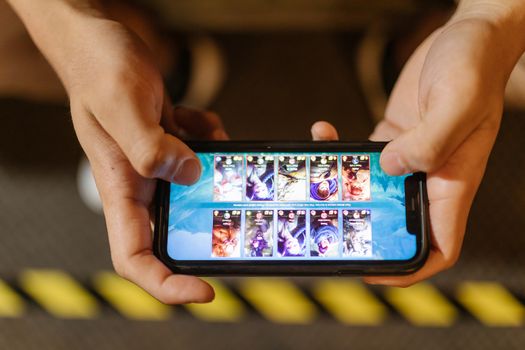
Online gaming has evolved into a global phenomenon, attracting millions of players from every corner of the world. Whether you’re exploring fantasy realms, competing in battle royales, or building virtual empires, the thrill of online play is undeniable. But as online gaming communities grow, so do the risks lurking beneath the surface. Cyber-attacks, scams, and data breaches are becoming increasingly common in the gaming sphere, making cybersecurity more crucial than ever. This article dives deep into the world of cybersecurity in online gaming, offering practical guidance to help you play safe without sacrificing your enjoyment.
The Growing Threat Landscape in Online Gaming
The popularity of online gaming brings with it a target-rich environment for cybercriminals. According to a 2023 report by Akamai Technologies, the gaming industry experienced a 167% increase in web application attacks over the previous year. Gamers often share personal information, payment details, and sometimes even voice chat, which can be exploited by malicious actors.
Key threats in online gaming include:
- Account takeovers: Hackers use stolen credentials to gain control of gaming accounts, often selling them on dark web marketplaces. - Malware distribution: Malicious software disguised as game mods or cheats can compromise your device, steal data, or even use your system for further attacks. - Phishing scams: Fake emails or in-game messages trick players into revealing login details or installing harmful software. - DDoS attacks: Distributed Denial of Service attacks can crash servers, disrupt gameplay, or target individual players to gain competitive advantage. - In-game fraud: Scammers convince players to trade valuable in-game items or currency and then disappear without fulfilling their end of the deal.With the average gamer spending around 8.45 hours a week playing online, according to Limelight Networks’ 2023 State of Online Gaming report, the exposure to these threats is significant. Understanding the landscape is the first step to staying safe.
.png)
Why Gaming Accounts Are Valuable Targets
You might wonder why hackers care about gaming accounts. The answer lies in the value of digital assets. Many games—especially those with microtransactions or rare items—have economies worth millions. In 2021, the global virtual goods market in gaming surpassed $54 billion.
Stolen gaming accounts can be used for:
- Selling rare skins, weapons, or currency for real-world money. - Using linked credit cards or stored payment details for unauthorized purchases. - Leveraging compromised accounts to launch further attacks or spread malware to friends and guildmates. - Gaining advantages in competitive gaming (e.g., using hacked accounts with high rankings).For younger gamers, the risk is even higher because they may be less experienced with online security, making them prime targets for social engineering and scams.
Best Practices for Secure Online Gaming
Playing your favorite games should be fun—not stressful. Here are some actionable steps every gamer should take to protect themselves:
1. Use Strong, Unique Passwords: Never reuse passwords across accounts. Consider using a password manager to generate and store complex passwords. 2. Enable Two-Factor Authentication (2FA): Most major platforms (like Steam, PlayStation Network, and Xbox Live) offer 2FA. This extra layer of protection can stop hackers, even if they have your password. 3. Download Games and Mods Only from Official Sources: Avoid third-party sites promising free games or cheats. These often harbor malware. 4. Beware of Phishing Attempts: Double-check URLs and never click suspicious links in emails or in-game chats. Official game companies will never ask for your password via email. 5. Update Regularly: Make sure your games, operating system, and antivirus software are kept up to date. Updates often patch critical security vulnerabilities. 6. Limit Sharing Personal Information: Don’t reveal personal details in public chats or forums. Cybercriminals can use this information for social engineering attacks. 7. Monitor Account Activity: Check for unusual login locations or transactions. Many platforms will alert you to suspicious activity if you enable notifications.Comparing Security Features of Popular Online Gaming Platforms
Not all gaming platforms offer the same level of cybersecurity. Here’s a comparison of key security features across some of the most widely used platforms:
| Platform | Two-Factor Authentication (2FA) | Account Recovery Options | Fraud Monitoring | Parental Controls |
|---|---|---|---|---|
| Steam | Yes (Steam Guard) | Email, phone, secret question | Yes | Yes |
| PlayStation Network | Yes (2-Step Verification) | Email, phone, backup codes | Yes | Yes |
| Xbox Live | Yes | Email, phone, security questions | Yes | Yes |
| Epic Games | Yes | Email, backup codes | Yes | No |
| Battle.net | Yes (Authenticator App) | Email, SMS, authenticator | Yes | No |
As shown above, most major platforms provide robust security features, though parental controls and recovery options may vary. Gamers should familiarize themselves with their platform’s security settings and enable all available protections.
The Role of Parental Controls and Family Safety
Online gaming is particularly popular among children and teenagers—research from Statista shows that 71% of U.S. children aged 13-17 play video games regularly. While gaming can be positive, it also exposes young players to unique online risks such as inappropriate content, cyberbullying, and scams.
Parental controls can help mitigate these dangers by allowing caregivers to:
- Restrict who can communicate with their children during gameplay. - Limit access to in-game purchases, reducing the risk of unauthorized spending. - Set playtime limits to encourage healthy gaming habits. - Monitor account activity and receive alerts for suspicious behavior.Parents should also educate their children about the importance of keeping passwords private, recognizing suspicious messages, and reporting inappropriate or abusive interactions to game moderators.
Emerging Threats: Deepfakes, Voice Cloning, and New Scams
As technology advances, so do the tactics of cybercriminals. In recent years, new threats have emerged that specifically target online gamers:
- Deepfakes and Voice Cloning: Fraudsters can create realistic videos or mimic voices to deceive players or impersonate trusted community members. In one reported case, scammers used voice cloning to impersonate a popular streamer and solicit donations from unsuspecting fans. - Social Engineering via Social Media: Scammers research players on platforms like Discord, Twitch, or YouTube and craft convincing schemes tailored to their interests. - Ransomware Attacks: Some malicious mods or downloads now contain ransomware, locking players out of their own devices or accounts until a payment is made. The FBI’s 2022 Internet Crime Report noted a rise in such attacks targeting gamers. - Cryptojacking: With the rise of cryptocurrency, some malware now hijacks gamers’ hardware to mine digital coins, slowing down devices and exposing sensitive data.Gamers need to remain vigilant and skeptical, especially when interacting with unfamiliar sources or offers that seem too good to be true.
What Game Developers and Publishers Are Doing to Protect Players
The responsibility for cybersecurity doesn’t rest solely on the shoulders of players. Game developers and publishers have a significant role to play in safeguarding their communities. Many companies have ramped up their security measures in recent years:
- Bug bounty programs: Companies like Riot Games and Blizzard offer rewards to ethical hackers who find and report vulnerabilities. - AI-driven moderation: Automated systems scan for suspicious activity and block cheaters or scammers in real-time. - Improved encryption: Stronger protocols are being implemented to ensure player data and communications are secure. - Regular security audits: Leading studios regularly test their systems for weaknesses, responding quickly to new threats.Despite these efforts, no system is foolproof. Security is an ongoing process, and player vigilance remains a critical component of a safe gaming experience.
Staying Safe While Enjoying Online Gaming: Key Takeaways
The online gaming world offers endless excitement, social connection, and even opportunities for learning and personal growth. But as with any online activity, it comes with risks that can’t be ignored. From account takeovers to sophisticated social engineering scams, gamers face a host of cybersecurity challenges.
By adopting strong security habits—like using unique passwords, enabling two-factor authentication, and staying alert to new threats—you can dramatically reduce your chances of falling victim to cybercrime. Parents should take advantage of parental controls and foster open communication with young gamers. Meanwhile, game developers and publishers are investing in new technologies and practices to keep their communities safe.
Ultimately, cybersecurity in online gaming is a shared responsibility. With the right knowledge and precautions, you can focus on what really matters: enjoying your gaming adventures with confidence and peace of mind.